March 8, 2026
Choosing the right roofing material is a major decision for any homeowner or builder. A roof not only defines the aesthetic character of a property but also acts as the first line of defense against weather, energy loss, and water damage. Selecting a roof involves balancing cost, style, and performance while considering the climate and structural requirements of the building. Materials that look appealing but are ill-suited for the environment can degrade prematurely, resulting in leaks, higher maintenance, and costly repairs. Homeowners must consider both short-term affordability and long-term durability to make a choice that protects the property and aligns with their lifestyle.
Water infiltration is one of the leading causes of roofing issues. According to LLC Buddy, Water infiltration is the cause of 40% of all building-related issues, and more than 70% of construction disputes involve some kind of water intrusion. This makes material selection crucial not only for performance but also for preventing conflicts over structural damage. From asphalt shingles and metal roofing to tile, wood, synthetic, and green options, modern roofing materials offer diverse solutions that balance durability, aesthetics, environmental impact, and cost. Understanding the advantages and limitations of each type helps homeowners make informed decisions that maximize both safety and long-term value.
Asphalt Shingles: Affordable and Versatile
Asphalt shingles are the most commonly used roofing material in residential construction due to their cost-effectiveness and ease of installation. They are lightweight, allowing for simpler structural support, and are widely available in a variety of colors and styles, from three-tab shingles to thicker architectural designs. This makes it possible to achieve a personalized look without breaking the budget. Asphalt shingles provide adequate protection against moderate weather, performing well in areas with mild wind, rain, and sun exposure. Their ease of replacement and repair also makes them convenient for homeowners who may need quick fixes over the years.
Despite their popularity, asphalt shingles have notable drawbacks. Their lifespan is typically shorter than that of other materials, ranging from 15 to 30 years, depending on climate and maintenance. Severe weather, such as hail or high winds, can cause shingles to crack, curl, or detach. Asphalt shingles are not environmentally friendly, as they are difficult to recycle and contribute to landfill waste. Aging shingles increases the likelihood of leaks, which is a significant contributor to construction disputes involving water infiltration. Homeowners should plan for eventual replacements and be aware of the limitations imposed by their local climate.
From a financial perspective, asphalt shingles are appealing due to low initial costs per square foot, making them suitable for projects with tight budgets. However, the need for periodic maintenance and replacement over time can offset these initial savings. While their affordability and visual variety make them attractive, homeowners must consider long-term costs and potential disruptions caused by wear and tear. When evaluating asphalt shingles, it is important to balance short-term budget benefits against maintenance demands and future expenditures to fully understand their value.
Metal Roofing: Durable and Long-Lasting
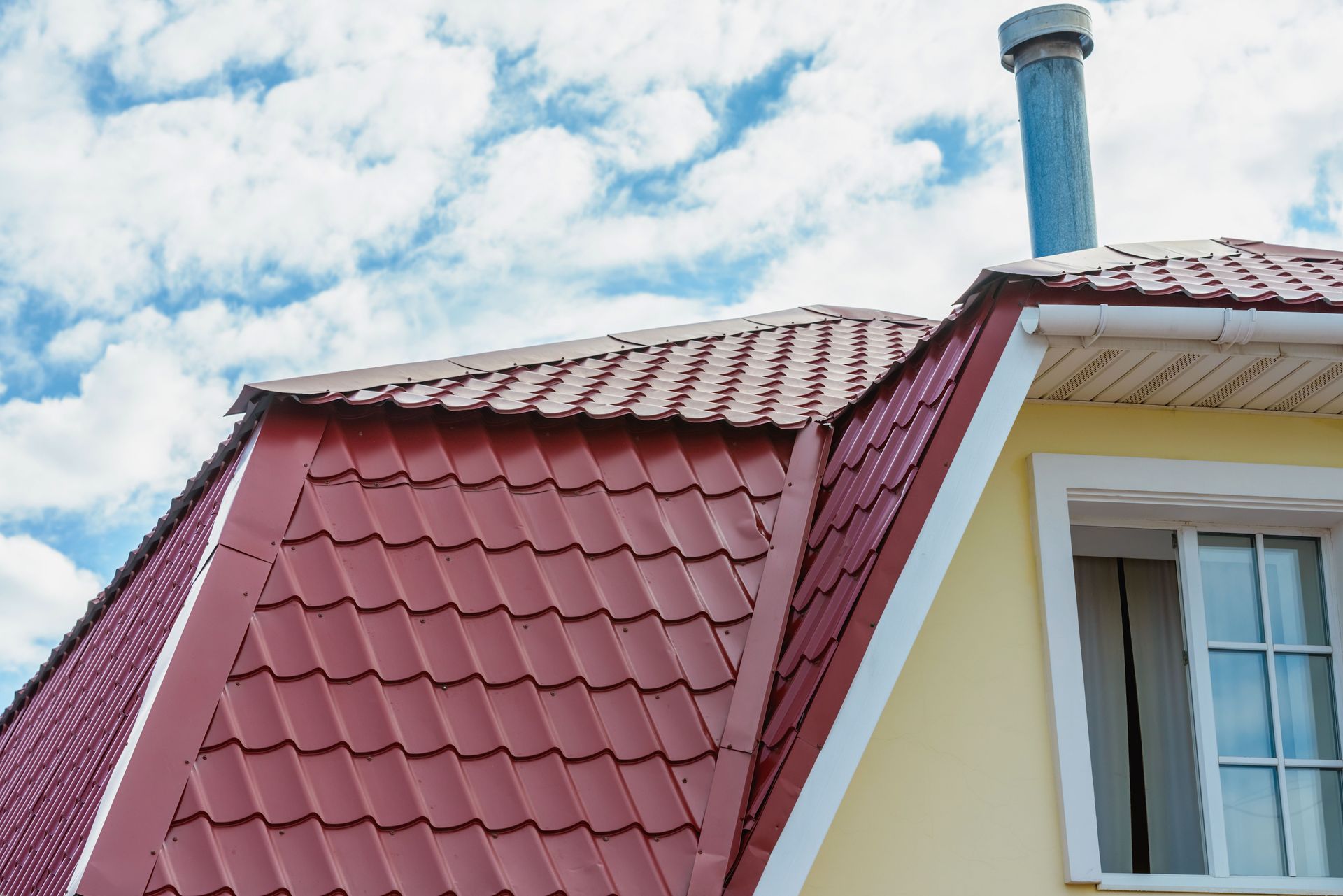
Metal roofing is celebrated for its durability, weather resistance, and long lifespan. Unlike asphalt or wood, a metal roof does not rot, crack, or curl, allowing it to withstand high winds, hail, and heavy snow with minimal maintenance. Its longevity often exceeds 50 years, making it a long-term investment for homeowners seeking low-maintenance, high-performance roofing. One of the most critical advantages is its ability to protect against water infiltration, a leading cause of building disputes, which makes it particularly valuable in regions prone to heavy rainfall or storms. Properly installed metal roofing ensures reliable coverage and reduces the risk of structural damage over time.
Environmentally, metal roofs are a strong choice. Many products incorporate recycled content and are fully recyclable at the end of their life cycle, significantly reducing waste compared to asphalt and some synthetic materials. Reflective coatings can help lower energy costs by minimizing heat absorption, contributing to energy efficiency throughout the year. Metal roofing combines sustainability with practicality, offering both long-term financial and ecological benefits. Its ability to mimic other materials, like wood shake or slate, allows homeowners to achieve a high-end look while benefiting from modern durability and low maintenance.
The cost of metal roofing is higher initially than traditional materials, but its longevity and minimal maintenance often make it more cost-effective over time. Fewer repairs, fewer replacements, and lower energy costs translate into long-term savings that justify the upfront investment. Installation requires professional expertise, but the payoff is protection and peace of mind. With a wide range of styles, finishes, and panel designs available, metal roofing offers homeowners a combination of functionality, aesthetic flexibility, and durability that few other materials can match.
Tile and Wood Roofing: Classic Aesthetics and Natural Appeal
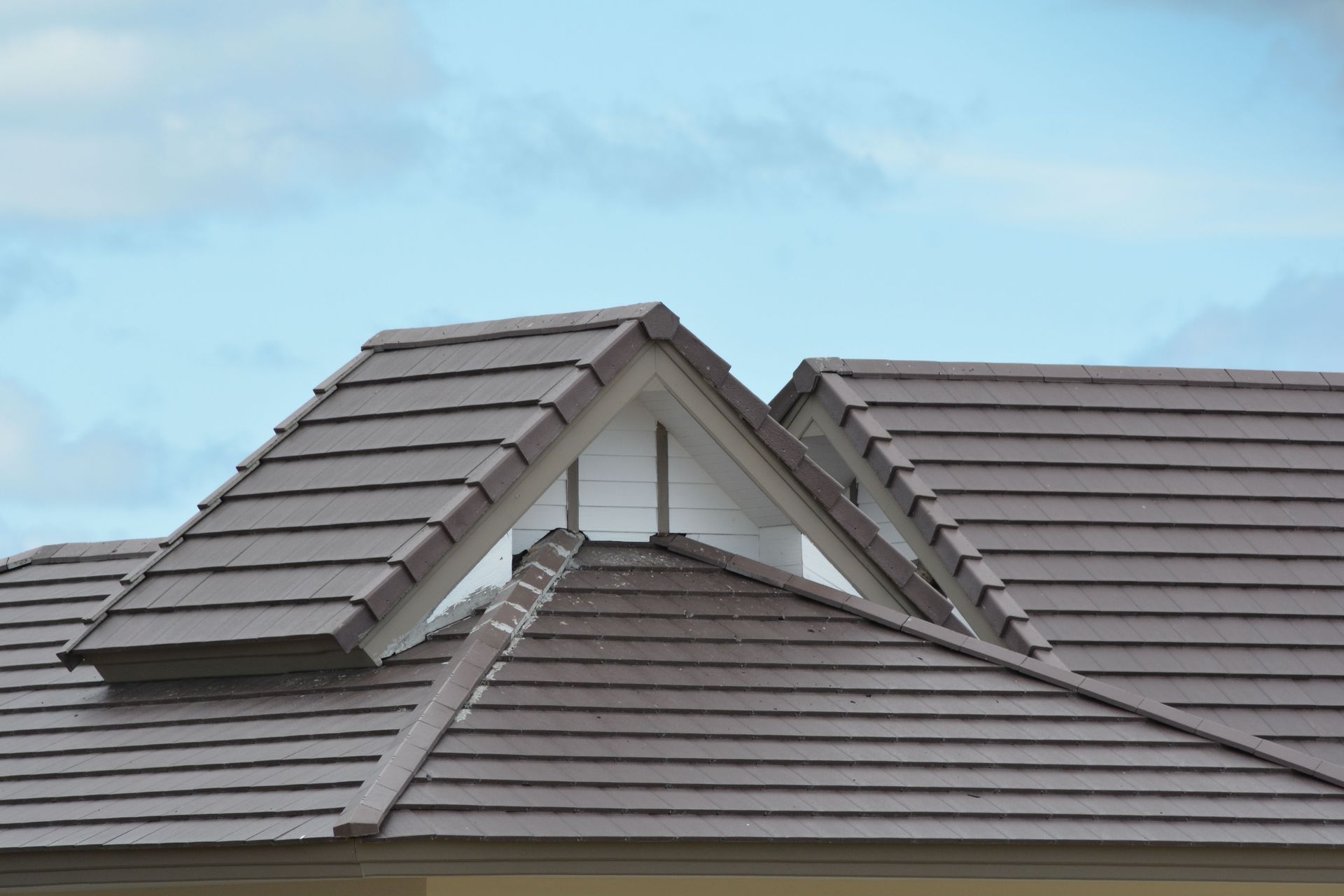
Tile and wood roofing are favored for their timeless beauty and distinctive characteristics. Tile roofing, available in clay, concrete, and slate, is known for durability and thermal efficiency. Clay tiles maintain color over time, concrete tiles can replicate multiple styles, and slate offers extreme longevity, though at a significant weight. Tile roofs excel in hot, dry climates due to their fire and moisture resistance, and their long life often exceeds 50 years. The aesthetic value of tile can also enhance property value, providing both functional and visual benefits. However, installation and repair require skilled labor, and the weight demands reinforced structures.
Wood shingles and shakes offer an organic charm that complements traditional or rustic architecture. Cedar, in particular, is prized for its resilience and natural insulating properties. Wood roofs can be stained or painted, providing customization options for color and finish. While visually appealing, wood requires ongoing maintenance to prevent moisture damage, pest infestation, and fire risks. Fire-resistant treatments can improve safety, but homeowners must remain proactive in inspection and upkeep. Despite these considerations, wood roofing provides unmatched texture and warmth, elevating the character of a property in ways few other materials can replicate.
Both tile and wood roofs balance performance with aesthetics, but their long-term success depends on climate compatibility, structural planning, and consistent maintenance. While the upfront costs are higher than those of asphalt or synthetic options, the durability, energy efficiency, and visual appeal often justify the investment. For homeowners seeking distinctive style combined with proven performance, tile and wood remain strong contenders that deliver both environmental and financial value over the long term.
Selecting the ideal roofing material involves careful evaluation of durability, aesthetics, environmental impact, and long-term costs. Asphalt shingles offer budget-friendly versatility, metal roofing provides unmatched longevity and protection against water infiltration, and tile or wood roofs deliver classic beauty and energy efficiency. Synthetic and green roofing materials highlight modern innovation, combining performance with environmental and design benefits. By understanding the strengths and limitations of each option, homeowners can choose a roofing material that meets both functional requirements and personal preferences while reducing potential issues related to leaks and maintenance.
Ultimately, the right roofing choice protects the property, enhances curb appeal, and contributes to long-term value. Prioritizing informed decisions and reviewing climate, structural needs, and design goals can prevent costly repairs and provide decades of reliable service. Whether upgrading an existing roof or planning a new build, exploring options like a
metal roof or other high-performing materials allows homeowners to make a practical, aesthetically pleasing, and durable investment. Contact a professional roofing contractor today at A Plus Roofing & Construction to discuss the best solutions for your home and begin planning your next roofing project.